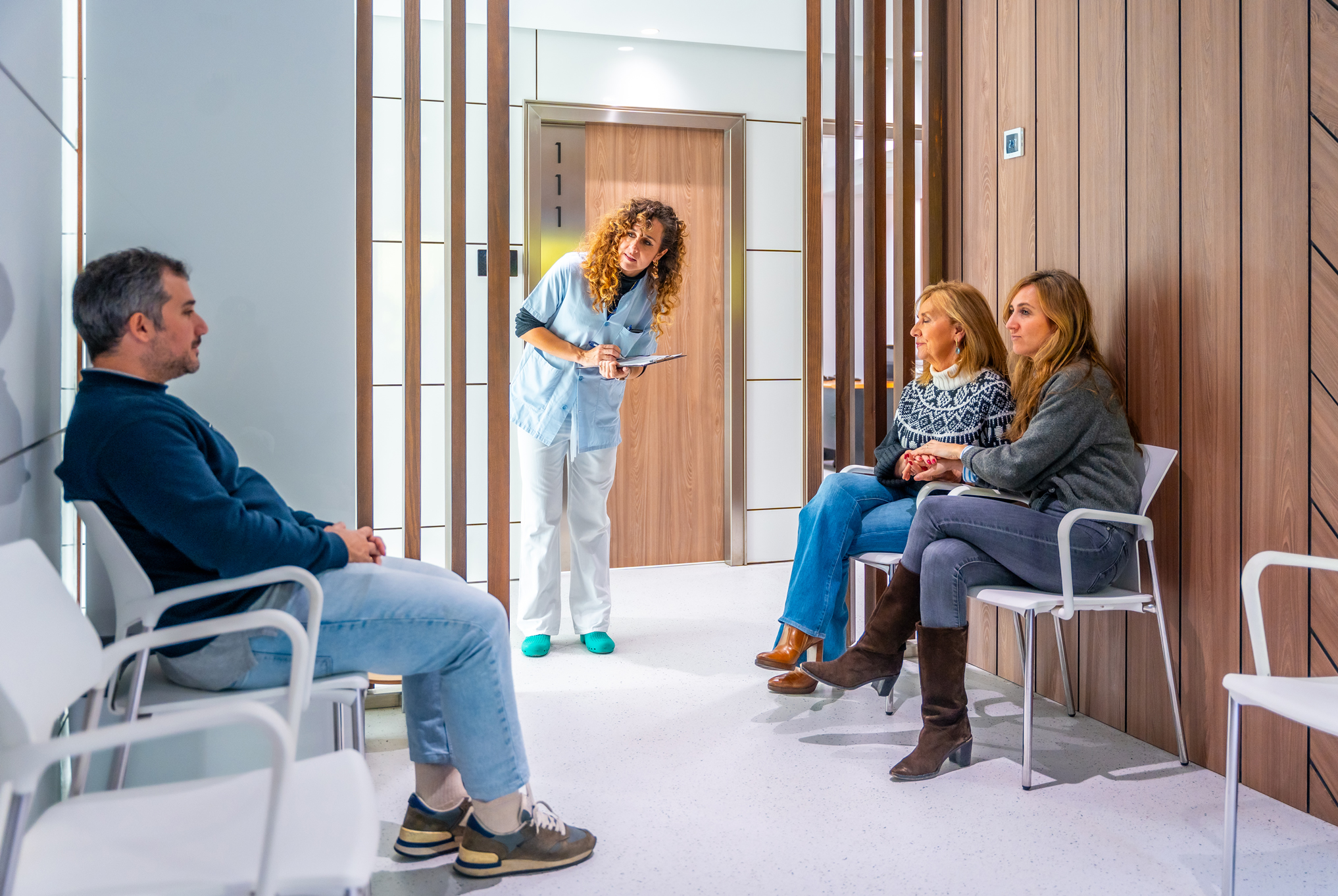
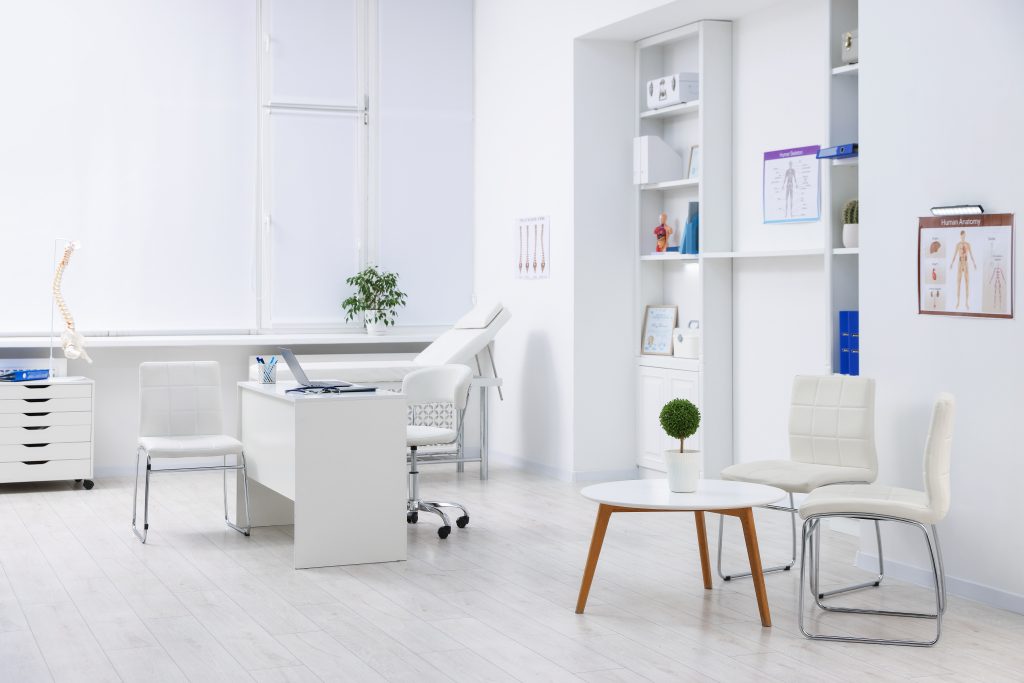
The environment in which patients receive care is becoming increasingly important. The aesthetic of your medical or dental practice transcends mere visual appeal; it encompasses the emotional and psychological experience patients have when they step into your office. As the expectation for patient experience continues to rise, investing time and resources into creating a welcoming, calming, and professional atmosphere is crucial. Let us explore how to effectively design your medical office with aesthetics in mind.
Understanding the Patient Experience
The journey of a patient begins long before they meet you or your staff. The environment can significantly affect their mood, perceptions, and even health outcomes. Research indicates that a well-designed environment can reduce anxiety, promote relaxation, and enhance overall satisfaction with care. Thus, understanding the patient experience involves more than comfort; it requires a comprehensive commitment to creating a space that consistently reflects your practice’s values.
Defining Your Aesthetic
Before embarking on the design journey, it is essential to define the aesthetic that aligns with your practice. Are you aiming for a modern look characterized by minimalist decor and clean lines? Or perhaps you envision a more traditional setting that emits warmth and familiarity? Consider the following elements when determining your desired aesthetic:
1. Brand Identity: Your practice’s branding should influence the aesthetic of your office. Colors, materials, and furnishings can all echo your brand’s values and mission. For instance, a dental practice that emphasizes gentle care and comfort may opt for softer colors and plush seating, while a high-tech medical office might lean towards sleek, metallic finishes and bold accents.
2. Target Demographics: Consider who your primary patients are. Families, seniors, and young professionals all have different needs and preferences. Your design should cater to your target demographic’s expectations and comfort levels, ensuring that patients feel understood and valued.
3. Functionality: Aesthetic should not overshadow functionality. Ensure that your design allows for efficient workflows for staff, while also accommodating the nature of patient interactions. Adequate spacing, accessibility, and strategic layout will enhance both staff efficiency and patient experience.
Key Design Elements
After defining your aesthetic, the next step involves implementing it through specific design elements. The following components are vital in creating a harmonious and inviting medical office:
1. Color Palette: The psychology of color plays a crucial role in patient comfort. Warm earth tones might evoke a sense of calm, whereas brighter colors can energize the space. Choose a palette that complements your brand while considering the emotions it may evoke in patients.
2. Lighting: Natural light is not only aesthetically pleasing but also plays a significant role in improving mood and reducing stress. When possible, maximize sunlight through large windows. Where natural light is limited, ensure that artificial lighting is warm and inviting rather than sterile or harsh.
3. Furniture Selection: Comfortable, functional furniture enhances the patient experience significantly. Waiting areas should feature cozy seating arrangements that encourage relaxation. In examination rooms, ergonomic designs can make both patients and practitioners more comfortable.
4. Artwork and Decor: The inclusion of thoughtfully chosen artwork can shift the atmosphere of your office from clinical to welcoming. Consider using local artists to foster community connections or incorporate calming nature scenes that promote relaxation.
5. Technology Integration: In today’s digital age, seamless technology integration is paramount. From patient check-in kiosks to telehealth capabilities, the use of technology should enhance the patient experience without detracting from the aesthetic appeal of your space.
Striking the Right Balance
As you design (or redesign) your medical office, it is essential to strike a balance between aesthetics and the functional requirements of a healthcare setting. While comfort is paramount, regulatory compliance, safety, and accessibility must also guide your design decisions. Collaborating with a professional designer familiar with healthcare environments can help navigate these complexities.
Conclusion
Designing your medical office is not merely about having a visually appealing space; it’s about crafting an experience that resonates with your patients. By defining your aesthetic and thoughtfully considering each design element, you will create an environment that embodies your practice’s values, enhances patient comfort, and ultimately leads to improved satisfaction and loyalty.
In a world where first impressions count, let your practice stand out by ensuring that your office design reflects the care and professionalism that you provide. Take the time to evaluate and revamp your space—it’s an investment that will resonate well with your patients for years to come.